

Preventing colorectal cancer is possible with regular examinations and attention
Feeling bloated, having persistent cramps, or noticing changes in your stool may seem like a one-time issue, but that is not always the case. When these signs occur frequently, they indicate that your body needs attention and proper evaluation.
The ideal specialist to investigate these symptoms is a Gastroenterologist in São Paulo, such as Dr. Charliana Uchôa. She may recommend a colonoscopy, a safe and highly effective examination for identifying abnormalities and diseases in the digestive tract.
A colonoscopy in São Paulo is becoming increasingly accessible and allows for early diagnosis, which is essential for preventing serious conditions such as colorectal cancer. Do not ignore persistent intestinal symptoms.
Schedule your colonoscopy with MEF's Gastroenterologist, Dr. Charliana Uchôa.
When the examination is recommended and why to have it
A colonoscopy is essential for investigating persistent digestive symptoms and as a preventive screening starting at age 45. It is a minimally invasive procedure that is safe and highly effective for directly viewing the inside of the large intestine.
In addition, a colon examination may be necessary for people with a family history of colorectal cancer or digestive tract diseases. It is essential for both preventing and detecting intestinal abnormalities early.
Signs that indicate the need for a colon examination
Symptoms such as rectal bleeding, chronic diarrhea, unexplained weight loss, and abdominal pain may indicate serious abnormalities. Acolonoscopyhelps pinpoint the exact causes.
Learn about the main warning signs that warrant this examination:
- Occult blood in the stool.
- Persistent pain in the lower abdomen.
- Frequent changes in bowel habits.
The relationship between colonoscopy and colorectal cancer
This is the preferred examination for screening for and preventing colorectal cancer because it can identify polyps before they become malignant. The earlier the diagnosis, the greater the chances of a cure.
Benefits of the examination for disease prevention and early detection:
- Early detection of suspicious lesions.
- Immediate removal of polyps during the examination.
- Ongoing monitoring for people at increased risk.
Conditions diagnosed through colonoscopy in São Paulo
Various conditions can be detected through colonoscopy in São Paulo, including diseases that have no symptoms or only cause symptoms at a later stage. The examination is useful for both diagnosing and monitoring patients with inflammatory bowel disease.
Findings include inflammation in the gastrointestinal tract, in both the large intestine and the small intestine, including lesions in the terminal ileum, such as mucosal erythema (redness), loss of the vascular pattern, erosions, ulcers, strictures, and fistula openings, which may suggest Crohn's disease or ulcerative colitis.
A Crohn's disease and ulcerative colitis are the most common forms of inflammatory bowel disease. They profoundly affect quality of life and require an accurate diagnosis and ongoing monitoring.
Characteristics that help distinguish and recognize these conditions:
- A Crohn's disease can affect the entire digestive tract, from the mouth to the anus.
- A Ulcerative colitis is limited to the large intestine, specifically the rectum and colon.
- A Crohn's disease causes inflammation in patches (a skip lesion pattern) and can affect all layers of the intestinal wall (transmural involvement).
Other types of gastrointestinal inflammation detected
The examination is also useful for detecting causes of inflammation in the gastrointestinal tract, such as infections, noninfectious colitis (such as medication-induced colitis and ischemic colitis), intestinal diverticula, and lesions suspicious for neoplasia.
During the examination, different types of inflammatory changes can be identified, helping the doctor determine the cause of symptoms and the appropriate care for each case. The most common findings include:
- Infectious or ischemic colitis, which requires targeted treatment.
- Ulcers and widespread inflammation, associated with acute or chronic diseases.
- Lesions suggestive of autoimmune diseases, such as lymphocytic or collagenous colitis.
When no suspicious lesions are found, the examination also helps rule out neoplastic diseases, providing greater diagnostic confidence.
Schedule your examination at MEF for access to reliable diagnoses.
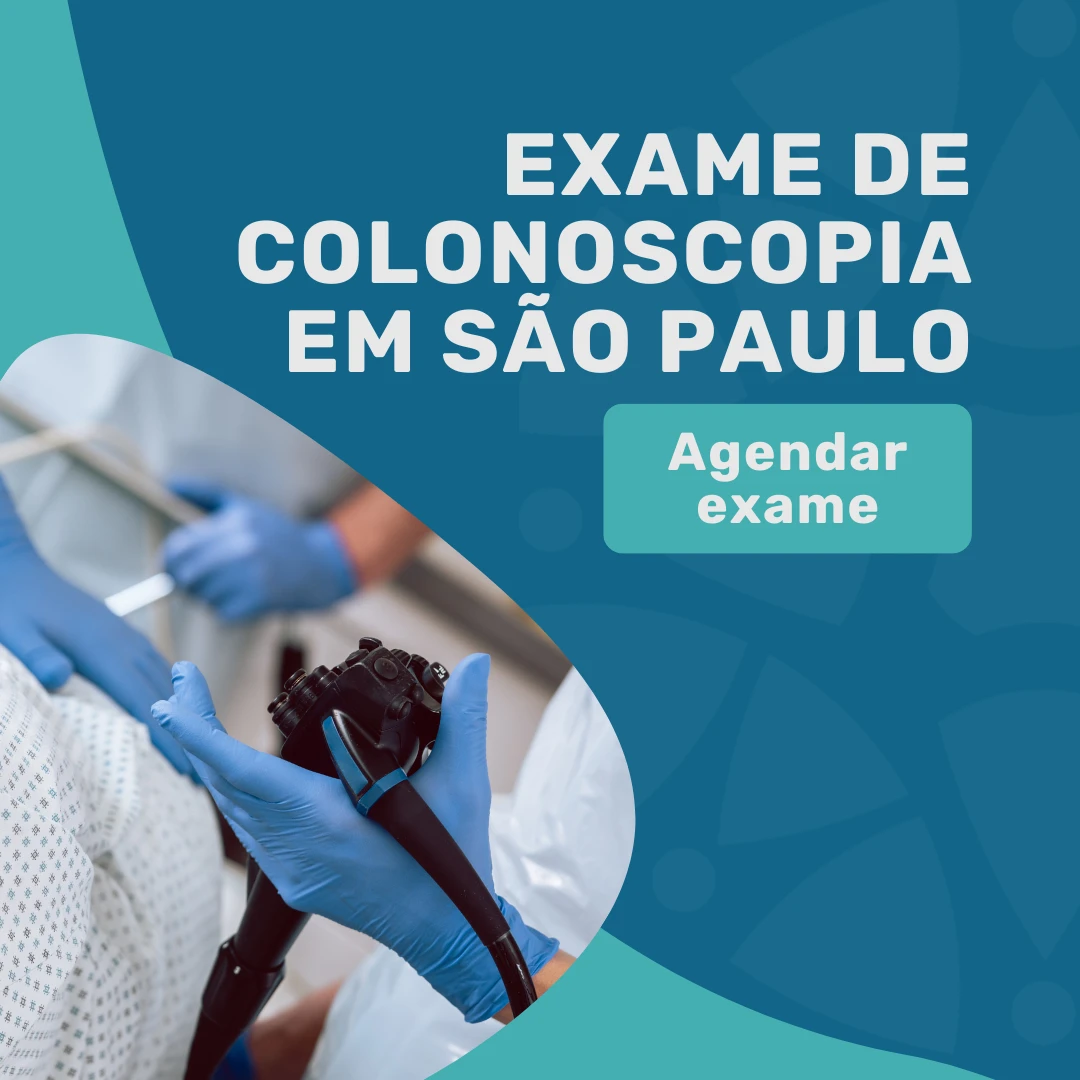
Colonoscopy vs. other examinations: why is it more accurate?
Although various imaging tests are available to investigate the digestive system, this examination stands out by providing a direct, detailed view of the large intestine and the terminal ileum.
This advantage makes this examination the primary diagnostic choice for conditions such as inflammatory bowel disease, suspected colorectal cancer, bleeding, and lesions in the lower gastrointestinal tract.
In addition, it is indispensable when biopsy samples need to be collected or polyps removed,as these procedures can be performed safely during the same examination.
Limitations of traditional imaging tests
Ultrasound and CT scans are useful for evaluating abdominal structures, but they do notclearly visualizethe inside of the intestine.
These methods cannot detect small, superficial, or premalignant lesions as effectively as a colonoscopy, nor do they allow biopsies to distinguish between benign and malignant lesions as this particular examination does.
Main limitations of these imaging methods:
- Intestinal gas can interfere with ultrasound.
- CT scans do not allow biopsies or polyp removal.
- Blood tests detect inflammation but do not show its cause.
Unique benefits of the examination for diagnosis and treatment
A colonoscopyis the only examination that combines a detailed visual assessment of the intestine with the ability to intervene immediately. This makes the procedure much more efficient and allows treatment to begin sooner.
During the procedure, the doctor can remove polyps found throughout the large intestine, which is essential for preventing colorectal cancer. This removal is performed during the same examination, without the need for hospitalization or surgery.
In addition, biopsy samples can be collected from suspicious areas, making it easier to accurately diagnose inflammation, dysplasia(precancerous lesions)and other early lesions. All of this is done safely, with a quick recovery for the patient.
For an accurate and thorough assessment of your intestine, schedule your colonoscopy at MEF today.
How to prepare for the examination
O colonoscopy preparation is essential to ensure a clear view of the intestine and accurate findings. It involves dietary measures and the use of specific laxatives recommended by your doctor.
The examination itself is a minimally invasive procedure performed under light sedation, without pain or discomfort. In many cases, patients can return to light activities the same day.
Steps to prepare for the examination and essential precautions
Preparation is the most challenging part of the examination, requiring discipline to ensure the procedure is effective. Specific dietary measures, laxative use, and temporarily stopping certain medications are essential.
For effective preparation, follow these essential precautions:
- Follow a low-residue diet for up to 3 days before the examination.
- Take laxatives the day before, as prescribed by your doctor.
- Temporarily stop taking certain medications,such as anticoagulants, diabetes medications, and weight-loss injections,under medical guidance.
Following these instructions closely is crucial to ensure the colon is properly cleaned, making it easier to detect potential abnormalities during the examination.
A minimally invasive procedure
A colonoscopy uses a thin, flexible instrument, allowing a complete evaluation of the colon without incisions or hospitalization. Light sedation, monitored by an anesthesiologist, makes the exam comfortable and virtually painless.
The exam is quick, safe, and virtually painless, lasting an average of 20 to 40 minutes, with same-day discharge and a quick recovery for the patient.
Trust and excellence in colonoscopy at MEF
O Instituto Medicina em Foco is a leading provider of digestive health care in São Paulo. With modern facilities, a convenient location, and a highly qualified team, the clinic offers advanced technology, compassionate care, and comprehensive safety for your colon exam.
At MEF, you can have your exam with Dr. Charliana Uchôa, a physician specializing in gastroenterology and gastrointestinal endoscopy. She has a strong academic background and extensive clinical experience spanning more than 10 years.
Shestands out for her approachthat is comprehensiveand attentive, treating each patient as aunique individual and respecting the details of each case.
Her care goes beyond the exam itself, seeking to understand the eating habits, emotional factors, and lifestyle choices that directly affect gastrointestinal health.
Main areas of practice ofDr. Charliana:
- Disorders of the gut-brain axis, such as irritable bowel syndrome, intestinal dysbiosis (SIBO, IMO, ISO, SIFO), disorders related to stress and the pace of daily life, as well as changes related to hormonal factors (the menopausal transition and hormone replacement therapies).
- Liver diseases and liver changes associated with lifestyle habits or other metabolic conditions.
- Inflammatory bowel diseases, such as Crohn's disease and ulcerative colitis.
- Accurate endoscopic evaluation, with endoscopy and colonoscopy performed using a personalized approach, correlating clinical symptoms with the findings from the exams.
- General gastroenterology, focusing on the prevention, diagnosis, and treatment of disorders of digestion, malabsorption syndromes, and changes in the small intestine and the large intestine.
Schedule your appointment
Take care of your gut: schedule your exam with Dr. Charliana Uchôa and receive comprehensive follow-up care.
Click here to schedule through MEF's WhatsApp.
🏥 Instituto Medicina em Foco address: Rua Frei Caneca 1380, Consolação, São Paulo, CEP 01307-000.
🕗 Office hours: Monday through Friday, 8 a.m. to 9 p.m.
📞 Phone: (11)9.5675.6848
For more information, follow Instituto Medicina em Foco on social media:
- YouTube:Medicina em Foco Channel
- LinkedIn:Instituto Medicina em Foco
- Instagram:@emfoco.med.br
- TikTok:@emfoco.med.br
- Doctoralia:Instituto Medicina em Foco
FAQ – Frequently asked questions about colonoscopy: an essential exam for bowel health
1. At what age and how often should I consider having a screening colonoscopy?
Starting at age 45, the exam should be performed every5-10 yearsor as directed by your gastroenterologist.
2. What symptoms, such as blood in the stool or persistent abdominal pain, indicate that I need to schedule a colonoscopy?
Blood in the stool, constant abdominal pain, and changes in bowel habits are signs that you should seek a colon exam.
3. If I have a family history of bowel cancer, should I have a colonoscopy earlier than recommended?
Yes. With a family history, screening is recommended starting at age 40 or 10 years before the diagnosis of yourfirst-degree relative.
4. What can this exam detect that other imaging tests, such as ultrasound, cannot?
It provides a direct view of the inside of the large intestine and the end of the small intestine (terminal ileum), making it possible to detect and biopsy polyps, areas of inflammation, and lesions at early stages (precancerous or cancerous).
5. What are the steps in preparing for a colonoscopy, and why is preparation considered the most difficult part of the exam?
Preparation includes a light diet and laxatives to clean out the bowel, which can cause discomfort and be more difficult than the exam itself.
6. Is this exam painful, and if not, what type of sedation is used to ensure patient comfort?
It is not painful. Light or moderate intravenous sedation ensures comfort throughout the procedure.The patient will not feel pain!
7. Why is this exam so important for the prevention and early detection of colorectal cancer?
The exam can identify and remove polyps before they develop into cancer, making it vital for preventionand diagnosisat an early stage.
8. What happens if a polyp is found during the exam, and can it be removed during the same procedure?
Yes, polyps that are found are usually removed during thesameprocedure, avoiding another intervention or progression of the lesion.
9. What are the possible risks or side effects after the procedure, and when should I be concerned?
They are rare but may include gas, cramps, or light bleeding. Seek medical advice if you experience severe pain,excessive bleedingor feverafter the exam.
10. How long should I follow the special diet after the exam, and when can I return to my normal routine?
Follow a light diet for up to 24 hours after the exam. You can resume your normal routine the next day, as directed by your physician.
To learn more, see our page on upper gastrointestinal endoscopy at Instituto Medicina em Foco.