
Step by step
- 1Identify your concerns
Skin that folds or hangs over the pubic area, a belly that protrudes even at a stable weight, or stretch marks on the lower abdomen.
- 2Stabilize your weight
Surgery delivers better results when you are close to the weight you intend to maintain.
- 3Consult a plastic surgeon
An examination of the skin, fat, and muscles, including an assessment for diastasis recti and a review of your overall health.
- 4Choose the technique
Full abdominoplasty, mini abdominoplasty, lipoabdominoplasty, or liposuction, depending on the examination.
- 5Prepare for surgery
Testing, a blood clot risk assessment, and quitting smoking well in advance.
What a Tummy Tuck Is and Who It Is Recommended For
During abdominoplasty, the surgeon makes a low incision from one side of the hip to the other, at the pubic hairline. The skin and fat are separated from the underlying tissue up to near the ribs. Excess skin is removed, the upper skin is pulled down, and a new opening is created for the belly button in the proper position.
Who typically benefits
- People with excess or sagging skin after pregnancy.
- People who have lost a significant amount of weight through diet or after bariatric surgery. Learn more about loose skin after bariatric surgery.
- Skin with stretch marks and poor elasticity in the lower abdomen.
- A protruding belly caused by muscle separation.
When it is not the right approach
Abdominoplasty does not replace weight loss or treat obesity. If you still plan to lose a significant amount of weight or become pregnant, it is best to wait. Another pregnancy or a major weight change can loosen the skin and muscles again.
Diastasis Recti: When Muscle Separation Also Needs Repair
The rectus abdominis muscles sit side by side, connected in the middle by a band of firm tissue. During pregnancy and with significant weight gain, this band stretches and the muscles move apart. The belly protrudes, even in people who have returned to their previous weight.
During abdominoplasty, the surgeon sutures this band of tissue to bring the muscles closer together. The technical term is plication. It restores firmness to the abdominal wall and improves the waistline.
Not everyone needs it
Muscle repair is only included when the examination shows diastasis recti. Some studies show improvements in back pain and posture after plication in women with diastasis recti. Results vary from person to person, and this should not be the only reason for surgery.
Diastasis recti and hernias
Sometimes diastasis recti occurs along with an umbilical hernia or another abdominal wall hernia. A physical examination and, if needed, an ultrasound help plan the repair of both during the same operation.
Options Without Skin Removal: Liposuction and Skin-Tightening Technologies
Liposuction removes localized fat through small openings. It improves body contours but does not remove skin. In people with excess skin, liposuction alone can even make the laxity more noticeable.
Skin-tightening technologies
Some devices heat the tissue beneath the skin, either during liposuction or on their own, to stimulate collagen production and gradual tightening. Some use radiofrequency, such as BodyTite. Others use helium or argon gas plasma, such as Renuvion and Argoplasma.
These technologies may help with mild to moderate skin laxity using small incisions. Their effects are more subtle than those of surgical skin removal, and long-term studies are still limited. They also carry their own risks, such as burns, fluid buildup, and contour irregularities, and require careful patient selection and technique.
Lipoabdominoplasty
This combines liposuction and abdominoplasty in the same operation. Liposuction slims the waist and flanks, while abdominoplasty removes skin from the lower abdomen. The surgeon determines how much of each technique is safe for your case.
Which Procedure Suits Each Case
Full abdominoplasty
- Excess or sagging skin above and below the belly button.
- Deep stretch marks and skin with poor elasticity.
- Diastasis recti.
Mini abdominoplasty
- A small amount of excess skin only below the belly button.
- A shorter scar, generally without changing the position of the belly button.
Liposuction
- Localized fat without excess skin.
- Skin with good elasticity.
Liposuction with skin-tightening technology
- Mild to moderate skin laxity.
- Good-quality skin.
- People who accept more subtle results in exchange for smaller scars.
After significant weight loss, excess skin often extends beyond the belly to the flanks and back. In these cases, the surgeon may recommend techniques that leave a longer scar extending around the body.
The Surgery, the Scar, and the Belly Button
Abdominoplasty is performed in a hospital under general anesthesia or a regional block combined with sedation. The duration of surgery and the hospital stay depend on the technique and any additional procedures.
What the scar looks like
The scar sits on the lower abdomen, near the pubic line. Before surgery, the surgeon agrees on its placement with you, taking into account the type of underwear and bikinis you wear. Its length depends on how much skin needs to be removed.
At first, the scar is reddish and firm. It changes over several months and tends to fade and become thinner over time. Its final appearance also depends on your skin and how you tend to heal, and some people develop thicker scars (hypertrophic scars or keloids).
The belly button
In a full abdominoplasty, the belly button usually remains attached to the abdominal wall. What changes is the surrounding skin: a new opening is created for the belly button. This leaves a small scar around it.
Risks and Postoperative Care
Surgical risks
Like any surgery, abdominoplasty carries risks, which the surgeon discusses with you beforehand:
- seroma, a buildup of fluid beneath the skin that sometimes needs to be drained with a needle;
- hematoma, a collection of blood;
- infection and reopening of the incision;
- damage to the skin near the scar due to poor blood supply, which is more common in people who smoke;
- changes in skin sensation below the belly button, which generally improve over several months;
- venous thrombosis and pulmonary embolism, which are rare and serious.
Smoking, poorly controlled diabetes, obesity, and combining several procedures in the same operation increase these risks. The team assesses your risk of blood clots beforehand and recommends preventive measures.
Care during the first few weeks
- Walk around the house starting on the first day to help your circulation.
- Walk slightly bent forward during the first few days, as instructed by your surgeon.
- Wear the compression garment for as long as instructed.
- Avoid exertion, heavy lifting, and abdominal exercises until you are cleared.
- Follow the instructions for your drain, dressings, and medications.
When to call the care team or go to the emergency room
Shortness of breath, chest pain, or swelling or pain in just one leg require an immediate visit to the emergency room. Rapidly increasing abdominal swelling, severe abdominal pain, significant bleeding, or fainting require immediate emergency care. Fever, spreading redness, or foul-smelling drainage from the incision require immediate contact with the care team; if symptoms worsen quickly, you feel very unwell, or you have difficulty getting care, go to the emergency room.
When results become visible
Swelling decreases over the weeks, and your contours become more defined over the following months. The scar continues to mature for longer. Maintaining a stable weight helps the results last.
What an Evaluation at Instituto Medicina em Foco Is Like
Instituto Medicina em Foco is located at Rua Frei Caneca, 1380, in Consolação, near Avenida Paulista, and is open Monday through Friday, from 8 a.m. to 9 p.m. The initial conversation can take place online, but an abdominal examination requires an in-person appointment.
Who provides care
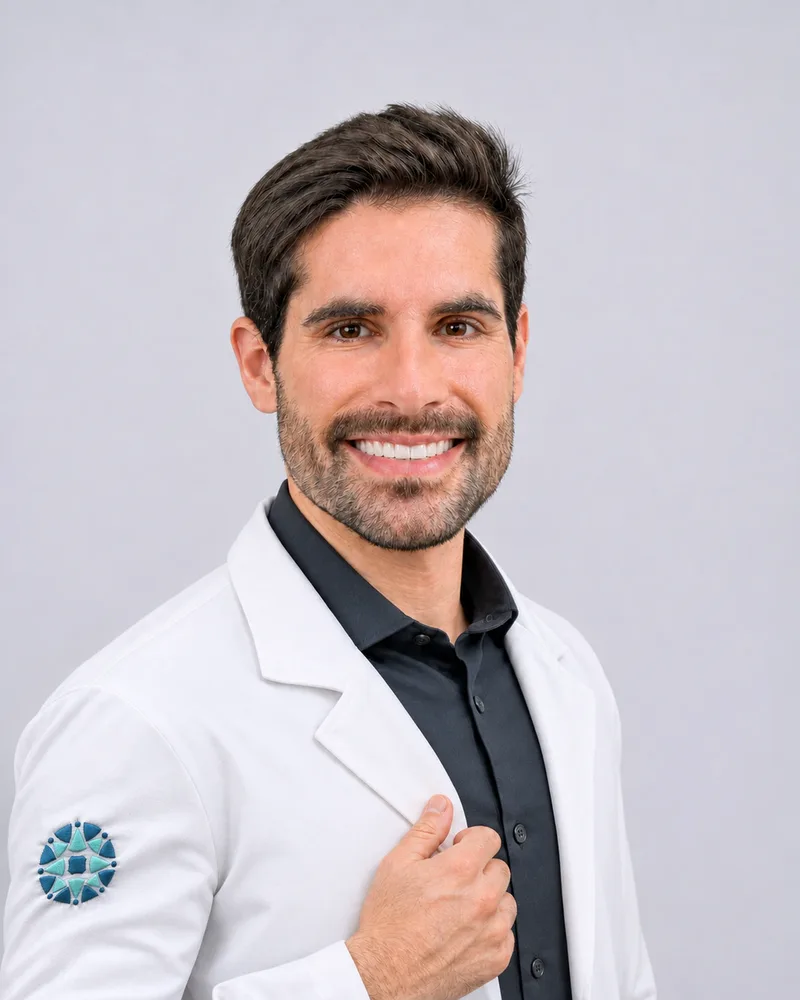
- Plastic Surgery: Dr. Leandro Gregório examines the abdominal wall, evaluates diastasis recti, and explains the options, from liposuction to abdominoplasty. Learn more about the Institute’s Plastic Surgery department.
What happens during the appointment
- A discussion about your concerns, pregnancies, weight changes, and future plans.
- An examination of your skin, fat, and muscles while you are lying down and standing.
- A review of medical conditions, medications, smoking, and previous abdominal surgeries.
- An explanation of the recommended technique, scar placement, risks, and recovery.
What to bring
- A list of medications you are taking.
- Recent test results and reports from previous surgeries, including bariatric surgery, if applicable.
- An abdominal wall ultrasound, if you have already had one.
The clinic offers self-pay appointments, with an invoice (nota fiscal) for reimbursement requests, and accepts health insurance. Surgical coverage depends on the plan and the medical indication, and cosmetic abdominoplasty is generally not covered. Details are confirmed when scheduling.
Excess skin or a protruding belly after pregnancy or weight loss? Schedule your evaluation
Plastic surgery with Dr. Leandro Gregório at Instituto Medicina em Foco, in Consolação, São Paulo.
Schedule your evaluationCall now
Frequently asked questions
How do I know if I am a candidate for abdominoplasty?
In general, candidates have excess abdominal skin, with or without diastasis recti, maintain a stable weight, and do not plan to become pregnant. Candidacy is confirmed only during an examination with a plastic surgeon, who also evaluates your overall health.
Does abdominoplasty eliminate all loose abdominal skin?
It removes excess skin from the lower abdomen and significantly improves contours, but it does not restore the skin to how it was before pregnancy or weight loss. Results depend on skin quality, the technique used, and weight maintenance.
How long after childbirth can I have abdominoplasty?
The usual recommendation is to wait at least 6 months to 1 year after childbirth and the end of breastfeeding, with a stable weight. If you still want to have children, it is worth postponing surgery because another pregnancy can separate the muscles again.
How long does recovery take?
The first few weeks require reduced activity, a compression garment, and no exertion. Your surgeon gradually clears you to return to work and exercise, depending on the type of surgery and your activities. Swelling and the scar continue to improve for months.
Can abdominoplasty be combined with liposuction?
Yes, in many cases. The combination is called lipoabdominoplasty and improves the waist and flanks. Your surgeon determines which procedures can safely be combined in one operation, because combining procedures increases operating time and certain risks.
What are the risks of abdominoplasty?
The most common are seroma, hematoma, and wound healing problems. Blood clots are rare but serious, which is why the risk is assessed before surgery. Smoking, poorly controlled diabetes, and obesity increase the risk of complications.
Are the muscles repaired in every case?
No. Plication is performed only when the examination reveals diastasis recti, which is a separation of the rectus abdominis muscles. It is common after pregnancy.
Do I need to lose weight before surgery?
Ideally, you should be close to the weight you intend to maintain. Abdominoplasty removes skin and some fat, but it does not treat obesity. For people who are overweight, losing weight beforehand reduces risks and improves results.
Also read
Dr. Leandro Gregório, plastic surgeon · Loose skin after bariatric surgery · Plastic Surgery in São Paulo